

The History of Egyptian Altar Spaces and How They Inspire Us Today
02 Oct 2025
0 comments
In ancient Egypt, altars were the heart of spiritual practice. Far from being towering structures, they were often simple, flat spaces where food, drink, incense, or flowers could be left as offerings to gods or ancestors. Stone offering tables were carved with channels for libations and images of bread and meat, ensuring the spirits would always be nourished. In temples, incense burners and offering slabs stood before statues of the gods, while in private homes, small shrines and altars connected families to protective deities like Bes or Taweret.
Over time, Egyptian altars evolved alongside temple life. By the New Kingdom, large open-air altars welcomed public rituals, while more elaborate temple altars were reserved for priests. Tomb chapels also held "false doors" and offering tables, symbolic portals where the living could continue to honor the dead. These spaces were less about grandeur and more about creating a direct link between the human and the divine.

Altars Today
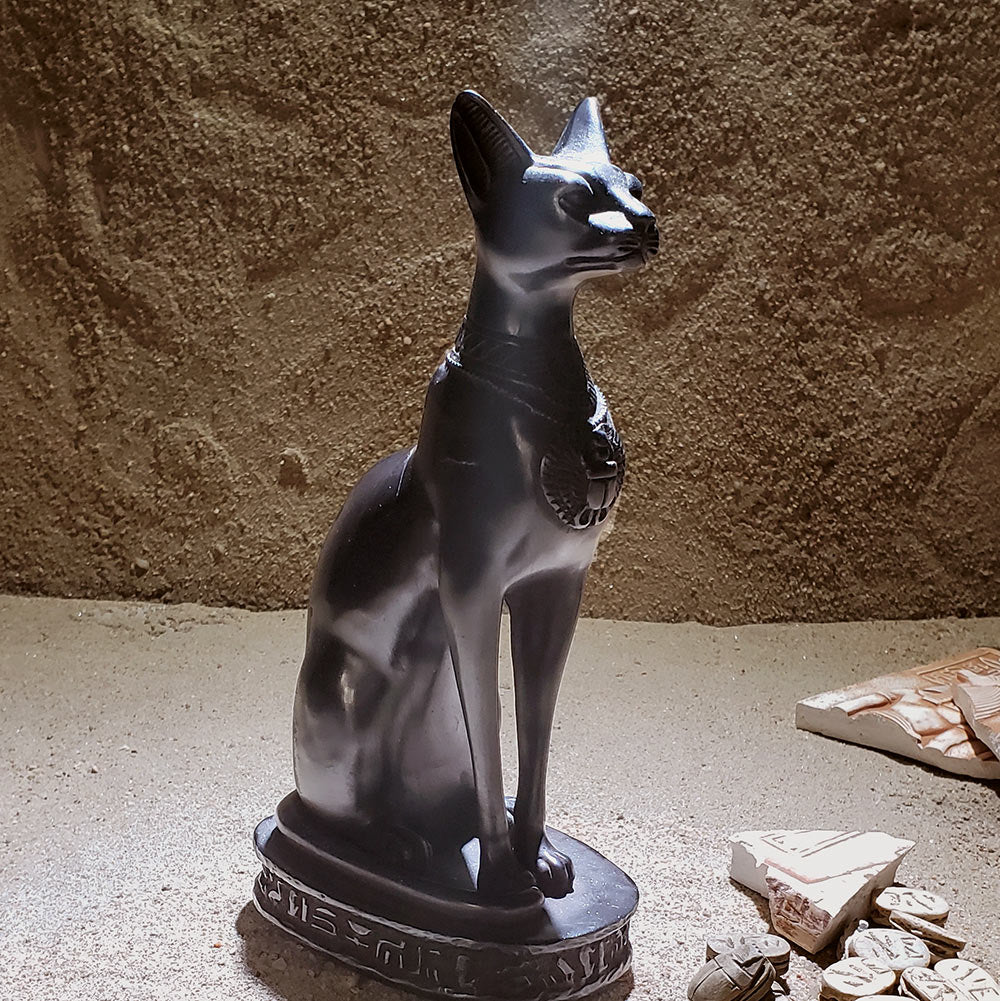
People still find meaning in creating Egyptian-inspired altar spaces. Modern altars often feature statues of deities such as Isis, Horus, or Anubis, paired with candles, incense, or flowers. Jewelry reproductions, scarab amulets, or hand-carved offering bowls serve both as decoration and as spiritual tools. Some build these spaces for meditation and reflection, while others use them to honor ancestry or connect with the rich symbolism of Egyptian art.
People still find meaning in creating Egyptian-inspired altar spaces. Modern altars often feature statues of deities such as Isis, Horus, or Anubis, paired with candles, incense, or flowers. Jewelry reproductions, scarab amulets, or hand-carved offering bowls serve both as decoration and as spiritual tools. Some build these spaces for meditation and reflection, while others use them to honor ancestry or connect with the rich symbolism of Egyptian art.

Much like the ancients, today’s practitioners keep their altars personal and purposeful, whether it’s a shelf with a single protective figure or a table filled with symbols of rebirth, balance, and protection. These modern altar spaces continue the timeless Egyptian tradition of creating a meeting place between the everyday and the eternal.

Tags: