


Egyptian History: Cats in Ancient Egypt
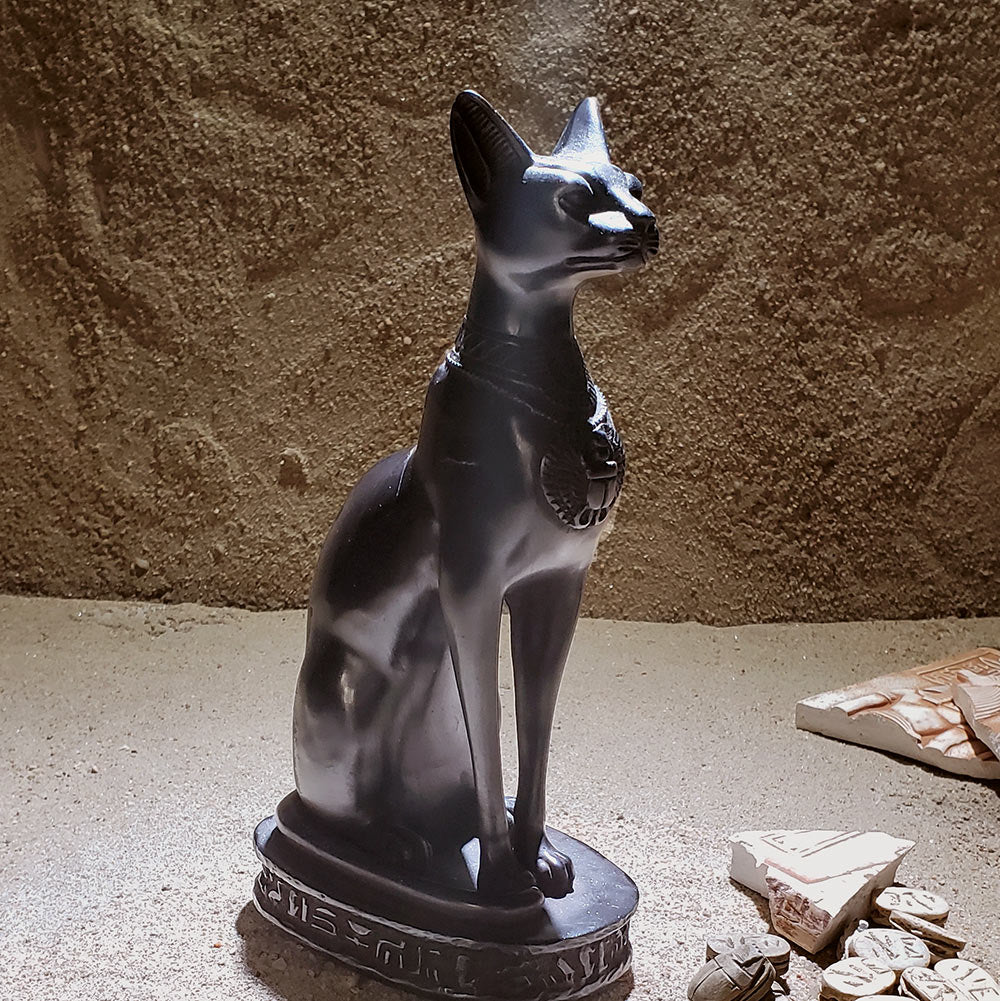
Ancient Egypt was cat country. The fertile Nile Valley and the arid surrounding desert were home to no less than seven species of cat, ranging from big cats like the great lion to the small desert cat that...

Egyptian Travel: The Temple of Hatshepsut
The Temple of Hatshepsut at Deir El-Bahri, near Luxor, is one of the most extraordinary temples in all of Egypt. The entire structure was designed to blend in with the surrounding mountainous landscape. Hatshepsut was the female king of...

Egyptian Travel: The Zodiac in the Dendera Temple to Hathor
On a recent visit to Egypt, we visited the Hathor Temple in Dendera. On the roof of the temple, there is a small open-air room. The small room was a chapel dedicated to Osiris. When you walk inside...

Egyptian Deity: The Scarab Beetle - Sun God Khepri
The scarab beetle is an iconic Egyptian deity with fascinating origins. The scarab was thought to have been born from a pile of dung making it a symbol of self-creation. Egyptians would watch the scarab push the dung...

VENDOR SPOTLIGHT: The Tentmaker District
Step into Cairo’s legendary Tentmaker District—where artisans have practiced Khayamiya applique for over 1,000 years. From towering ceremonial tent panels to softly colored wall hangings and pillowcases, discover the vibrant history and craftsmanship behind these unique textiles. Shop...

EGYPTIAN TRAVEL: TEMPLE RESTORATION
On my most recent trip to Luxor, I went to visit my favorite spot in Medinat Habu (Habu Temple). I was surprised to see scaffolding on a large section of the columns, with a team of young...

Honor Your Mother With An Egyptian Necklace
Honor your Mom with a necklace that features the word Mom translated into ancient Egyptian hieroglyphs. These pendants are handmade, in the ancient bazaar of Khan el Khalili in Cairo, Egypt. We also offer a Mother cartouche pendant...